
Preventative Dentistry for Children
Early dental care sets the foundation for a lifetime of healthy teeth
Smile Design Centre in Bingham Farms helps children build a foundation of oral health that lasts a lifetime — through regular cleanings, fluoride treatments, dental sealants, and age-appropriate hygiene education. Dr. Sajid Baqai and our team focus on preventing dental problems before they start, so your child avoids the pain, cost, and anxiety of restorative treatment. Schedule your child's preventive visit or call (313) 356-7577.
What is preventative dentistry for children?
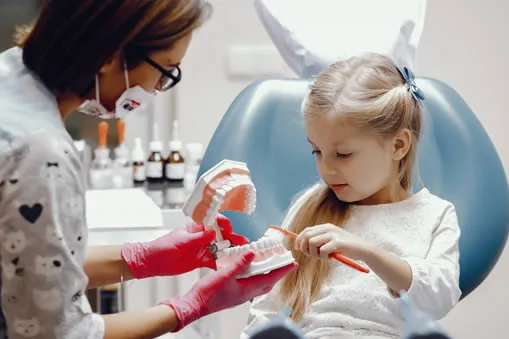
Preventative dentistry in children is the practice of taking proactive measures to prevent oral health problems before they occur. Your dentist will educate you and your child on proper oral hygiene techniques, including brushing twice a day with fluoride toothpaste and flossing daily. They can also monitor your child's dental development and recommend orthodontic treatment if necessary.
During regular dental check-ups, your dentist can provide preventive treatments such as the application of fluoride and sealants to help prevent tooth decay. They can also identify any potential dental issues early on and provide appropriate treatment before they become more serious.
At our dental office we can also provide advice on sports safety and the use of mouthguards to prevent dental injuries. They may also offer dietary recommendations to help your child maintain good oral health.
By emphasizing preventative dentistry for children, your dentist can help ensure that your child develops healthy oral habits, prevent future dental problems, and maintain healthy teeth and gums for life.
Every child's preventive plan at Smile Design Centre is individualized. We assess cavity risk based on diet, oral hygiene habits, fluoride exposure, and family history — then tailor the frequency of cleanings, fluoride applications, and sealant timing accordingly. High-risk children may benefit from visits every 3–4 months rather than the standard 6.
We also involve parents as partners: teaching you how to supervise brushing effectively, when to introduce flossing, and which snacks promote (or undermine) your child's dental health.
Reviewed by Dr. Sajid Baqai · Smile Design Centre, Bingham Farms
What to expect at a child's dental cleaning
Expect x-rays
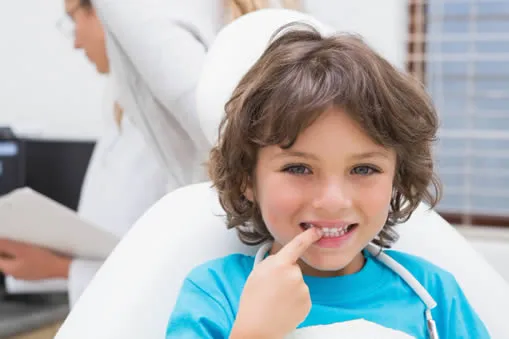
A pediatric dental cleaning is a comprehensive appointment that includes various preventive treatments to maintain a child's oral health. Along with cleaning the teeth and gums, the dental hygienist may also take x-rays to identify any underlying dental issues that may not be visible during a physical examination.
Expect a thorough cleaning
The dental hygienist will use a specialized instrument called a scaler to scrape plaque or tartar buildup from the teeth and gums. Next, they will use an ultrasonic dental tool to clean all sides of the teeth. Finally, the dental hygienist will polish the teeth using a rotary brush and a polishing paste to remove any surface stains and make the teeth feel smooth.
Expect fluoride and sealants
The application of fluoride and sealants is another essential part of the preventive treatment. Fluoride is a mineral that helps strengthen the teeth and protect against decay. The dental hygienist may apply fluoride in the form of a gel, foam, or varnish. Sealants, on the other hand, are thin, protective coatings that are applied to the chewing surfaces of the molars to prevent decay.
Expect guidance on oral hygiene
After the cleaning, the dental hygienist will also provide advice on proper oral hygiene techniques and offer tips on maintaining good oral health at home. They may also recommend a follow-up appointment and schedule regular dental cleanings for your child.
By scheduling regular pediatric dental cleanings, parents can help ensure their child's oral health, prevent future dental problems, and establish good oral hygiene habits that will benefit them throughout their lives.
More Questions about children's dental cleaning?
Contact our office today to schedule a dental cleaning at Smile Design Centre. We look forward to seeing you.
Practice preventative dentistry at home
Preventative dentistry is an essential aspect of oral healthcare, and it is especially important for children. It involves taking proactive measures to prevent oral diseases, such as tooth decay and gum disease. By teaching children good oral hygiene habits and providing them with the necessary tools, parents can help their children maintain good oral health throughout their lives. Here are some of the ways parents can practice preventative dentistry for their children:
Brushing, flossing, and oral habits:
- Brushing twice a day with fluoride toothpaste and teaching children to brush properly
- Flossing once a day to remove plaque and food particles
- Encouraging children to rinse their mouth with water after meals
- Limiting sugary foods and drinks to prevent cavities
- Avoiding hard foods, such as popcorn and ice, that can crack or chip teeth.
Monitoring the child's dental development
- Regular dental check-ups can help detect early signs of tooth decay, gum disease, and other oral health problems.
Parent involvement and proper diet
- Encouraging children to eat a healthy and balanced diet can help prevent tooth decay and gum disease
- Providing children with healthy snacks, such as fruits and vegetables, instead of sugary snacks
- Teaching children good oral hygiene habits and supervising them until they can do it on their own.
- Leading by example and practicing good oral hygiene habits yourself
Sports safety:
- Mouthguards can help prevent dental injuries during sports activities
Transcript
Complications from Untreated tooth decay
Untreated tooth decay in children can lead to a number of serious complications, ranging from pain and discomfort to more serious infections and health problems. Here are some of the potential complications that can arise from untreated tooth decay in kids:
Pain and discomfort
Untreated cavities can cause toothaches, sensitivity to hot and cold temperatures, and pain when chewing. This can make it difficult for children to eat, sleep, and concentrate in school.
Infections
Tooth decay can lead to infections that can spread to other parts of the body, including the gums, jaw, and even the bloodstream. In severe cases, these infections can be life-threatening.
Abscesses
Untreated tooth decay can lead to the formation of abscesses, which are pockets of pus that form at the base of the tooth. Abscesses can be extremely painful and require emergency treatment.
Tooth loss
If cavities are left untreated, they can eventually lead to the loss of the affected tooth. This can have serious consequences for a child's oral health, including difficulty eating and speaking.
Nutritional deficiencies
If a child is unable to eat properly due to tooth pain, they may not be getting the proper nutrition they need for healthy growth and development.
In order to prevent these complications, it is important to schedule regular dental check-ups for your child and to address any signs of tooth decay as soon as they arise. By maintaining good oral hygiene habits and seeking prompt treatment for dental problems, you can help ensure your child's oral health and overall well-being. Contact our Smile Design Centre today to schedule a child's dental cleaning. We look forward to seeing you.
Dental Sealants
Dental sealants are a preventive treatment that involves applying a thin plastic coating to the chewing surfaces of the back teeth to protect them from decay.
The process of applying dental sealants is simple and painless. The dental hygienist first cleans the teeth to remove any debris and then dries them thoroughly. The sealant material is then painted onto the grooves and fissures of the teeth and allowed to dry for a few seconds. Sometimes a special light is used to help the sealant harden.
Once the dental sealants are in place, they create a barrier between the teeth and harmful bacteria and acids that can cause cavities. Dental sealants are particularly effective for children and teenagers who may have difficulty reaching the back teeth with their toothbrushes. The procedure is quick and easy, and typically takes only a few minutes per tooth. Dental sealants are a safe and effective way to help protect your child's teeth and maintain good oral health.
Fluoride Treatments
Fluoride is a mineral that works by remineralizing areas of the tooth enamel that may have been weakened by acid produced by bacteria in the mouth. Fluoride treatments can help strengthen teeth and making them more resistant to decay.
During a chairside fluoride treatment, the dentist will first thoroughly clean the teeth to remove any plaque or debris. The fluoride gel or varnish is then applied to the teeth using a brush, swab, or tray and left on the teeth for a few minutes to allow for absorption. Some dentists may use a special light to help activate the fluoride and improve its effectiveness.
After the treatment, the patient is advised not to eat or drink anything for at least 30 minutes to allow the fluoride to fully absorb into the teeth.
Chairside fluoride treatments are a quick and painless procedure that can provide significant benefits for maintaining good oral health.
Why Choose This Treatment
Early Problem Detection
Digital X-rays and comprehensive exams identify cavities, gum changes, and developmental issues before they cause pain or require complex treatment.
Regular Cleanings
Professional cleanings every six months remove tartar and plaque that daily brushing cannot, protecting the gums and keeping enamel smooth and strong.
X-Ray Monitoring
Low-radiation digital X-rays provide a complete view of tooth and bone health, catching problems between teeth and below the gumline that clinical exams cannot see.
Sealants for Children
Dental sealants protect the deep grooves of permanent molars from decay-causing bacteria, reducing cavity risk in the back teeth by up to 80%.
Fluoride Treatments
Professional fluoride varnish strengthens developing enamel and can even reverse early-stage decay, making it a vital part of every child's preventative program.
Patient Education
We teach children proper brushing and flossing technique and coach parents on nutrition, habit management, and home care — knowledge that compounds over a lifetime.
Common Concerns About Preventative Dentistry for Children
Parents frequently ask these questions. Dr. Sajid Baqai addresses each one at your child's visit.
"Is fluoride safe for my child?"
Yes. Fluoride has been endorsed by the ADA, CDC, WHO, and American Academy of Pediatrics for decades. At the concentrations used in dental treatments and toothpaste, fluoride strengthens enamel and prevents cavities without health risks. We use age-appropriate amounts — a rice-grain-sized smear for children under 3 and a pea-sized amount for ages 3–6 — and always supervise application.
"When should I start brushing my baby's teeth?"
Start cleaning your baby's gums with a soft, damp cloth after feedings — even before teeth appear. Once the first tooth erupts, begin brushing with a soft infant toothbrush and a rice-grain smear of fluoride toothpaste twice a day. Parents should brush for their children until about age 6–7, when they develop the dexterity to do it effectively on their own.
"My child drinks juice and milk at bedtime — is that a problem?"
Yes — this is one of the leading causes of early childhood cavities (sometimes called "baby bottle tooth decay"). When a child falls asleep with a bottle or sippy cup containing anything other than water, the sugars in juice, milk, or formula pool around the teeth for hours, creating an ideal environment for decay. We recommend transitioning to water-only at bedtime and brushing teeth after the last feeding.
Why Preventative Care Matters for Children
Skipping preventive dental visits in childhood can have consequences that extend well beyond the mouth.
- Tooth decay is the most common chronic childhood disease — more prevalent than asthma
- Children with untreated cavities miss more school days and score lower on performance assessments due to pain and sleep disruption
- Early loss of baby teeth can cause crowding and misalignment of permanent teeth, increasing the need for orthodontic treatment
- Negative dental experiences in childhood (from emergency treatment of advanced decay) often lead to lifelong dental anxiety and avoidance
Frequently Asked Questions About Preventative Dentistry for Children
The American Dental Association recommends dental check-ups every six months for most children. Children with a higher risk of cavities — due to diet, fluoride exposure, or medical conditions — may benefit from visits every 3–4 months. Dr. Sajid Baqai will recommend the right schedule for your child.
Children can start using fluoride toothpaste as soon as their first tooth appears. Use a rice-grain smear for children under 3 and a pea-sized amount for ages 3–6. Always supervise brushing until your child can reliably spit out the toothpaste (usually around age 6–7).
Pacifier use is normal for infants and generally does not cause dental problems before age 2. Prolonged pacifier use (beyond age 3–4) can affect the alignment of front teeth and the shape of the palate, similar to thumb sucking. Weaning from the pacifier by age 2–3 is recommended to avoid these effects.
Yes, prolonged thumb sucking (past age 4 or when permanent teeth start to erupt) can cause misalignment of the teeth, open bite, and changes in palate shape. Most children stop on their own between ages 2–4. If the habit persists, Dr. Sajid Baqai can recommend gentle strategies to help your child transition.
Yes. At our Bingham Farms dental office we offer preventative dentistry for children in Bingham Farms and the surrounding area. Contact our office today to schedule an appointment.
Most dental insurance plans cover preventive care for children at 100%, including exams, cleanings, X-rays, fluoride treatments, and sealants. Under the Affordable Care Act, dental coverage for children is considered an essential health benefit. We verify your child's benefits before the appointment.
Sealants are most effective when applied as soon as the permanent molars erupt — typically around age 6 for first molars and age 12 for second molars. Sealing these teeth early protects them during the most cavity-prone years. Learn more about dental sealants.
For a knocked-out permanent tooth, handle it by the crown (not the root), rinse gently with water, and try to place it back in the socket. If that's not possible, keep the tooth moist in milk or saliva and get to our office within 30 minutes. For a chipped tooth or a knocked-out baby tooth, call us immediately at (313) 356-7577 for guidance. Time matters for saving permanent teeth.
Medical Disclaimer
This content is for informational purposes only and does not constitute dental or medical advice, diagnosis, or treatment. Treatment recommendations for children vary based on age, development, and individual risk factors. Fluoride and sealant applications are safe when administered at appropriate concentrations. Consult Dr. Sajid Baqai or a qualified dental professional regarding any questions about your child's oral health. Individual results may vary.
Learn More About Preventative Dentistry for Children
Contact our office to discuss how preventive care can protect your child's smile for life.